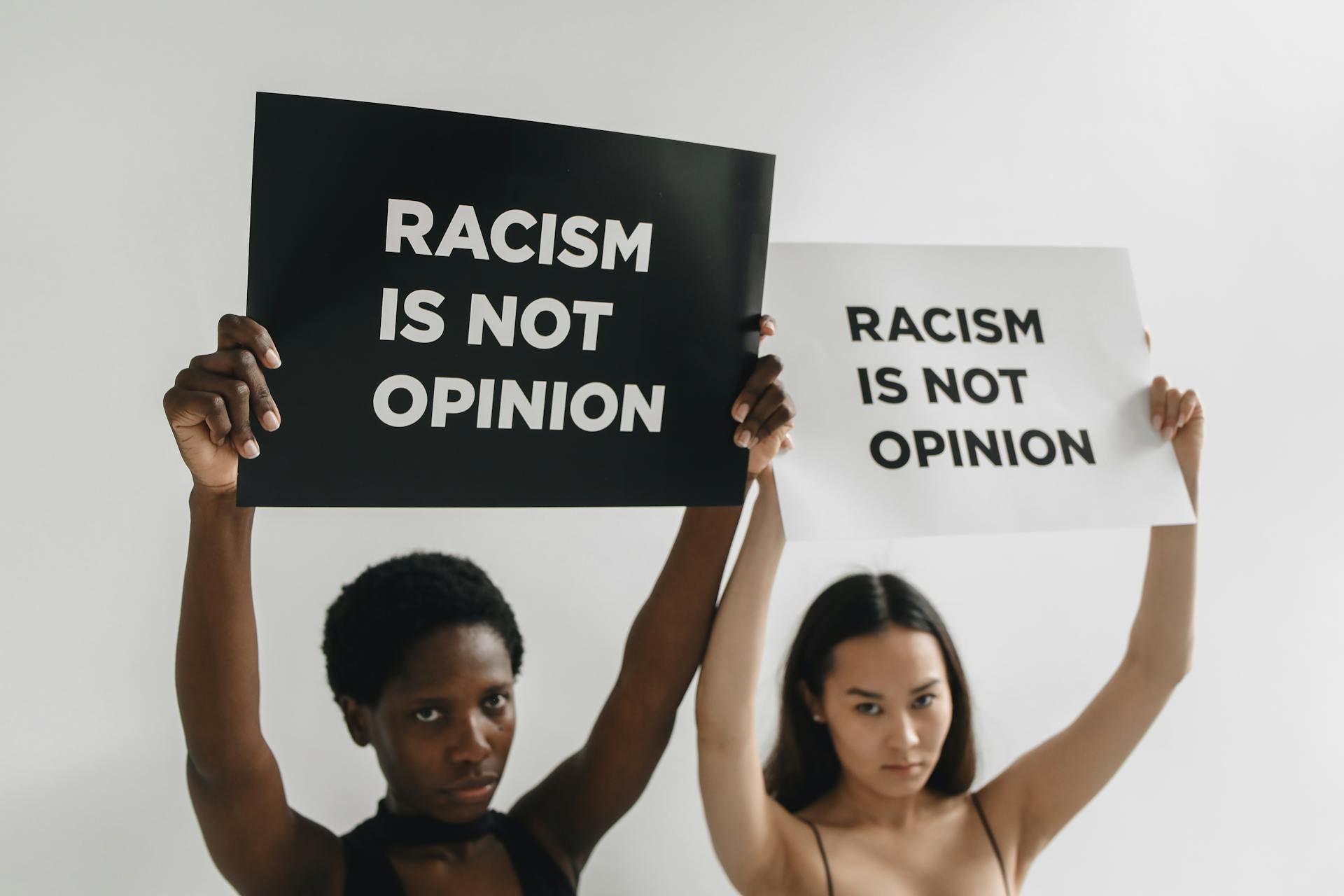
There should be no doubt that racism in sports exists.
Sometimes it is out in the open, like the recent instance during the US Open Tennis Championships, when Latvian Jelena Ostapenko told black American player Taylor Townsend that she had “no class” and “no education”.
Or another recent incident where the Real Madrid duo of Vinicius Junior and Kylian Mbappe were subjected to racist taunts by their rival fans, following the team’s 3-0 win over Real Oviedo.
It was not until Nelson Mandela became the president of South Africa that their national rugby team – the Springboks- became an all-inclusive team instead of just the whites.
Sometimes it may be subtle yet persistent.
Racism in sports is as prevalent in community sports as it is in elite sports. While racism in elite sports gets pointed out more regularly, the same instances in community sports goes unnoticed.
A recent Australian survey revealed around 30 per cent of participants had directly experienced racism, with a further 26 per cent having witnessed it.
Similarly, over one-quarter of sports participants reported feeling that racism and discrimination were problems in community sports in Canada.
Slurs and racism are also routinely hurled at minority athletes. This is create a myth that only athletes or certain race and colour were capable in certain sports.
Legendary golfer Jack Nicklaus once dismissed the absence of black golfers in the sports by saying black athletes “have different muscles that react in different ways”. That was until Tiger Wood came an broke down all barriers in an illustrious golfer career.
The media are no angels in this, as they often help fan the flames of abuse.
One study, using AI tools, found that non-white players were much more frequently praised for physical ability than white players, who were praised for personality and intelligence by the media.
Another study showed how black male athletes received much more negative coverage and commentary, compared to their white counterparts who were seen as heroes.
Racism in sports is not merely a western malady. It is as prevalent in Asia as well – subtler but prevalent.
Back in 2021, the Indonesian government appointed a white-skinned Javanese Instagram celebrity Nagita Slavina to be their sports event’s ambassador. In the poster, the fair-skinned Nagita was seen wearing a Papuan headpiece and traditional costume.
The event’s location was at Indonesia’s easternmost province Papua, home to the dark-skinned Melanesian Papuan people. This did not go down well with many Papuans.
Sport generates extremes of passion, partisanship, and adoration. And often with these also comes the bias towards one’s own race.
Just like in the USA, where the blacks are seen migrants trying to take over the sporting glory of the whites, in Asia, migrants are also resented for similar reasons.
Yes, they are glorified, when they succeed, albeit temporarily.
Sport can be a driver for change; it can make a difference in people’s lives and unify communities, particularly around national successes. But it can also create tensions and cause conflict.
We must say NO to sports racism, whether it is out in open or so very subtle, that it becomes ingrained within the society.
S.T. Arasu is a former two-time Malaysian Sportswriter of the Year
About Post Author