The cost of mixing politics with sports can no longer be ignored.
From FIFA awarding Donald Trump with an underserved Peace Award; to Indian cricketers refusing to shake the hands of rivals Pakistan; to Indonesia refusing to allow Israeli gymnasts to participate in the World Cup, the stigma of politics being attached to sports is undeniable.
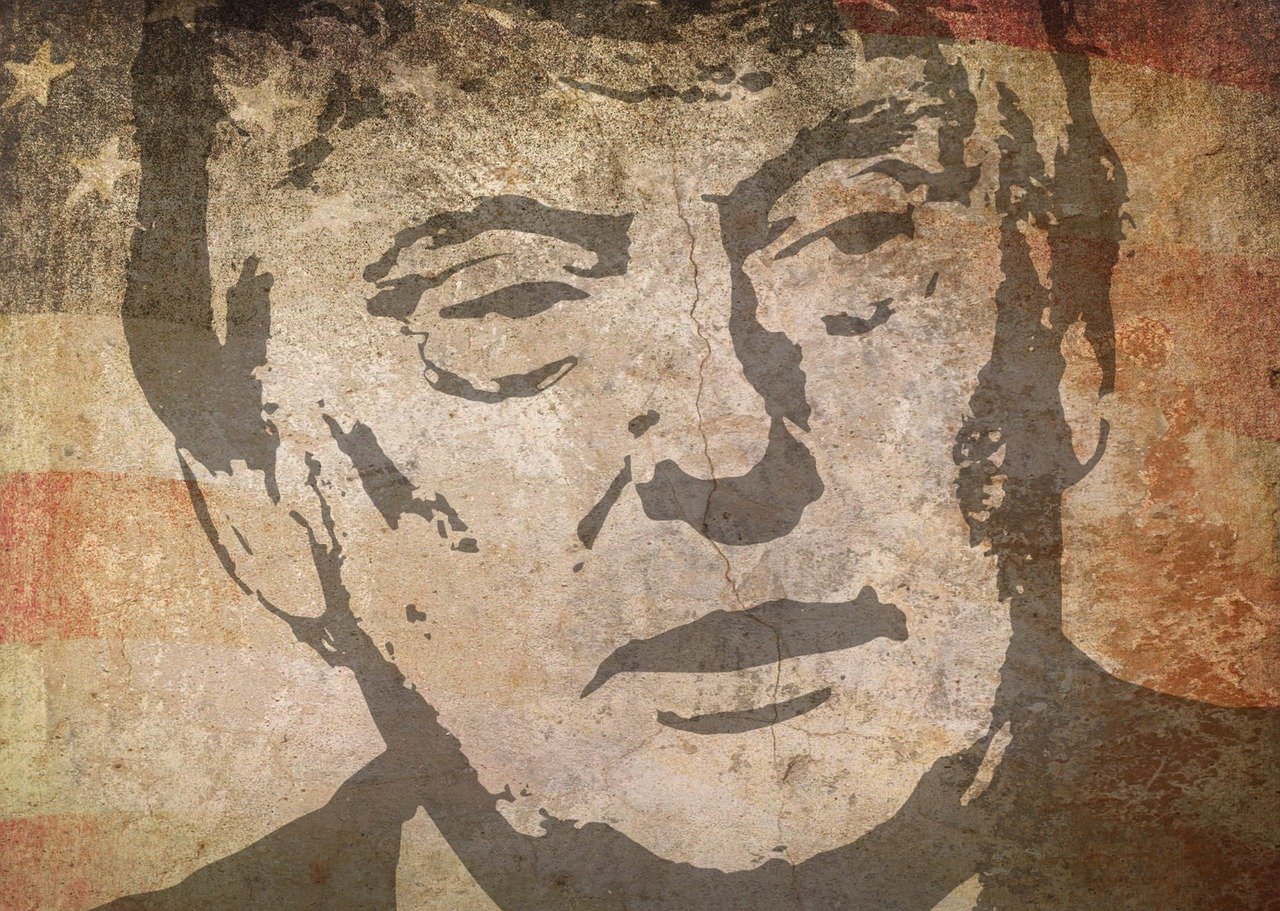
According to FIFA, the Peace Award was to reward individuals who had taken exceptional and extraordinary actions for peace and by doing so have united people across the world.
The blatant racism and mass deportation of migrants at home, actions against transgender athletes, threatening countries with unwarranted tariff hikes and now invading a sovereign country to arrest its president seems to what FIFA deems to be the action of a man who exemplifies peace.
This self-claimed Peace President, who was openly clamouring for the Nobel Peace Prize, had already initiated bombings in Somalia, Yemen, Nigeria and Iran apart from threatening military actions Mexico, Cuba, Colombia.
The award was just an instrument to keep Trump happy and to stoke his overblown ego as the USA hosts the FIFA World Cup later this year.
Meanwhile, Indian cricketers felt that by refusing to shake the hands of Pakistani players during the Asia Cup, they were making a moral statement, but it was just a classless act.
The Pakistani players had nothing to do with their government policies. The act only eroded the traditional sporting camaraderie that had existed since time immemorial.
Indonesia’s refusal to approve visas for Israeli gymnasts and the World Gymnastics tacit nod to the injustice was alarming when these are the same people, who had claimed sports is a tool of unity.
Earlier this week, Indian movie star Shah Rukh Khan, who is also the owner of the Kolkata Knight Riders cricket team, was forced to rescind the purchase of a Bangladeshi player because many were not happy with the current polarization of Hindus in Bangladesh.
An estimated 25 million Bangladeshis, both legal and illegal, still work in India but one Mustafizur Rahman should not ply his trade as a professional cricket player. It defies logic.
The continued ostracization of Russian athletes for Vladimir Putin’s dictatorial decisions is only highlighting the fact that athletes are being made to pay the price for the indiscretion of others.
There is no denying that there is a small group of athletes, who also use their fame and the sports platform to support Putin’s agenda, but a blanket ban does not make sense.
“Sports and politics should not mix” is paraded as the mantra by the sporting fraternity. But with many international sports federations increasingly bending backwards to political pressures and others making selective outcry against political interference, the imagery of sports as a unifying factor is being redefined.
That sport will and being used for political leverage is more evident now than ever before.
Take the case of Australia investing AUS$600 million over a ten-year-period to establish a rugby league team in Papua New Guinea. At first glance, it looks like a noble step to assist PNG until you see what the deals also encompasses.
The deal also includes an assurance “PNG will not sign a security deal that could allow Chinese police or military forces to be based in the pacific nation”.
Countries like Saudi Arabia, Qatar, China and now the USA have elevated sportswashing to a new level with the implicit support of international sports organisations including FIFA and the International Olympic Committee (IOC).
Closer to home, Thailand was also in a way used the recent hosting of the SEA Games to take the spotlight out of their armed border conflict against Cambodia.
Despite their claim to neutrality, major sporting organisations are either frequently using their influence and leverage in the international political arena or turning a blind eye in the exploitation of sports by political powers.
When Jesse Owens defied not only an oppressive regime which hosted the Berlin Olympics in 1936 but also institutionalized racism back at home, sports was truly a tool of positive change and unity.
Is it still?
S.T. Arasu is a two-time Malaysian Sportswriter of the Year
About Post Author